



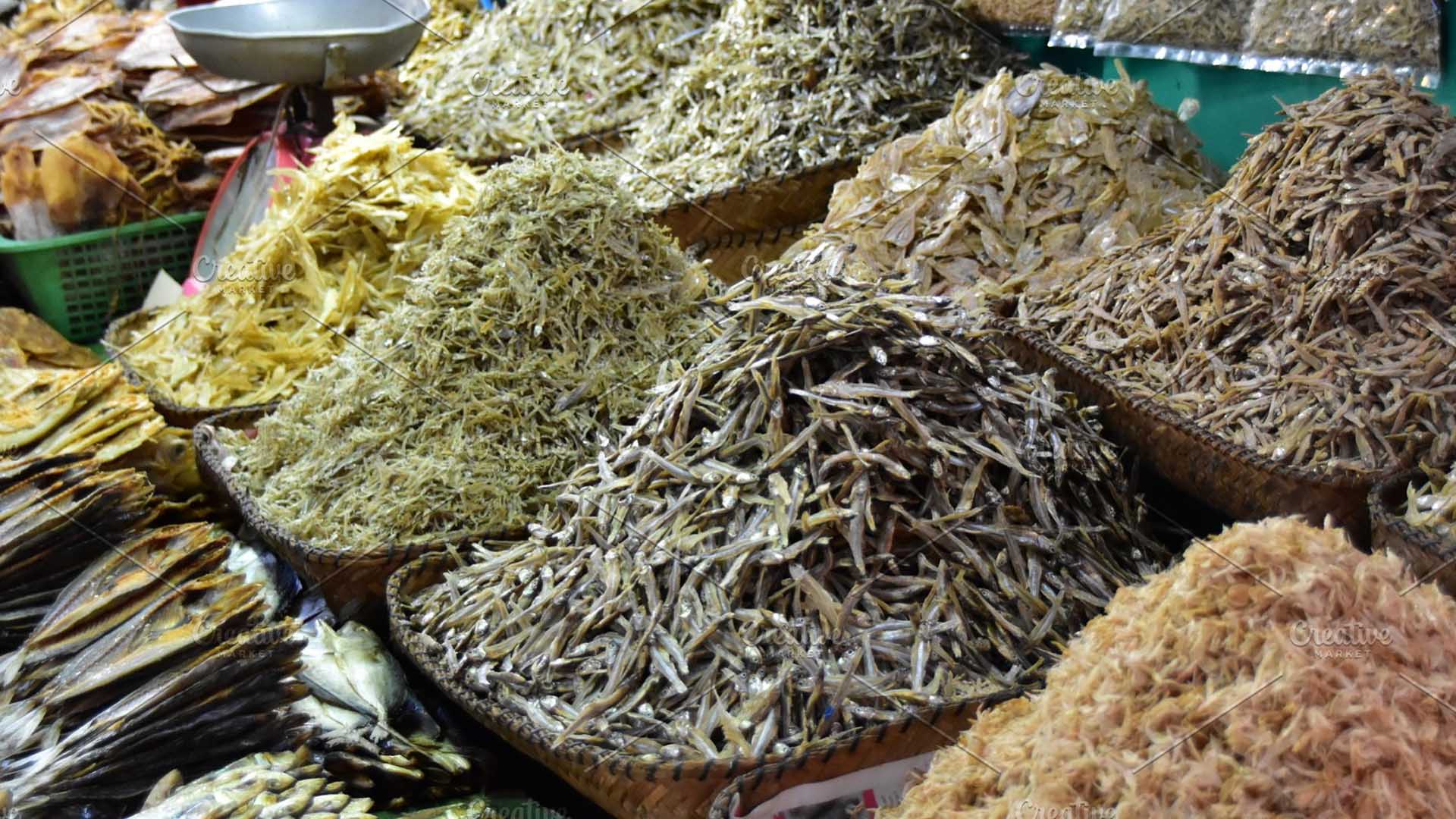






A workers group on Monday said the proposed imposition of taxes on salty foods and ingredients is untimely.
“With this measure to tax salty food, the government is pushing the poor informal sector workers and their families to fall into deep poverty rather than building ladder to help and empower them. There is no need to tax salty food and ingredients at this time,” said Gerard Seno, Associated Labor Unions-Trade Union Congress of the Philippines (ALU-TUCP) national executive vice president.
Seno said the government should instead develop healthier, affordable, and accessible alternatives to salty foods.
He said if workers’ incomes are increased and healthier and cheaper food choices are made available, “then that’s maybe the time that we talk about imposing tax on salty food.”
He added that low-wage workers and their families are aware that most of the daily meals are those foods with salty ingredients that are low in nutritional value such as instant noodles, food flavoring, snacks, and dried fish.
“Workers and the poor informal workers and their families’ affinity to salty food is bound by their inadequate income and lack of alternatives in the market. They cannot afford to buy healthier food choices and food ingredients with their measly income level,” Seno said.
Daily minimum wage in the country, depending on the region, ranges from PHP280 to PHP537.
“With these paltry current minimum wage rates amid the rising cost of living, the working poor have no other choice but to buy food with what affords their small income even if it is high with sodium content,” he added.
Aside from these measures, Seno said that the government must regulate private manufacturing firms to reformulate the standard sodium contents of food, food ingredients, and snacks.
“Government should also pick up the slack in its responsibility to conduct massive education and information dissemination informing its citizens about other better alternatives and healthier food and ingredients options,” Seno said.
The Department of Health earlier proposed taxing salty foods, citing a report showing that salty diets could lead to hypertension and other noncommunicable diseases.
There are also moves for higher “sin” taxes on cigarettes, vapes and alcoholic drinks not only to collect government revenues but also to lessen spending on treatment caused by diseases arising from an unhealthy diet. (PNA)


