



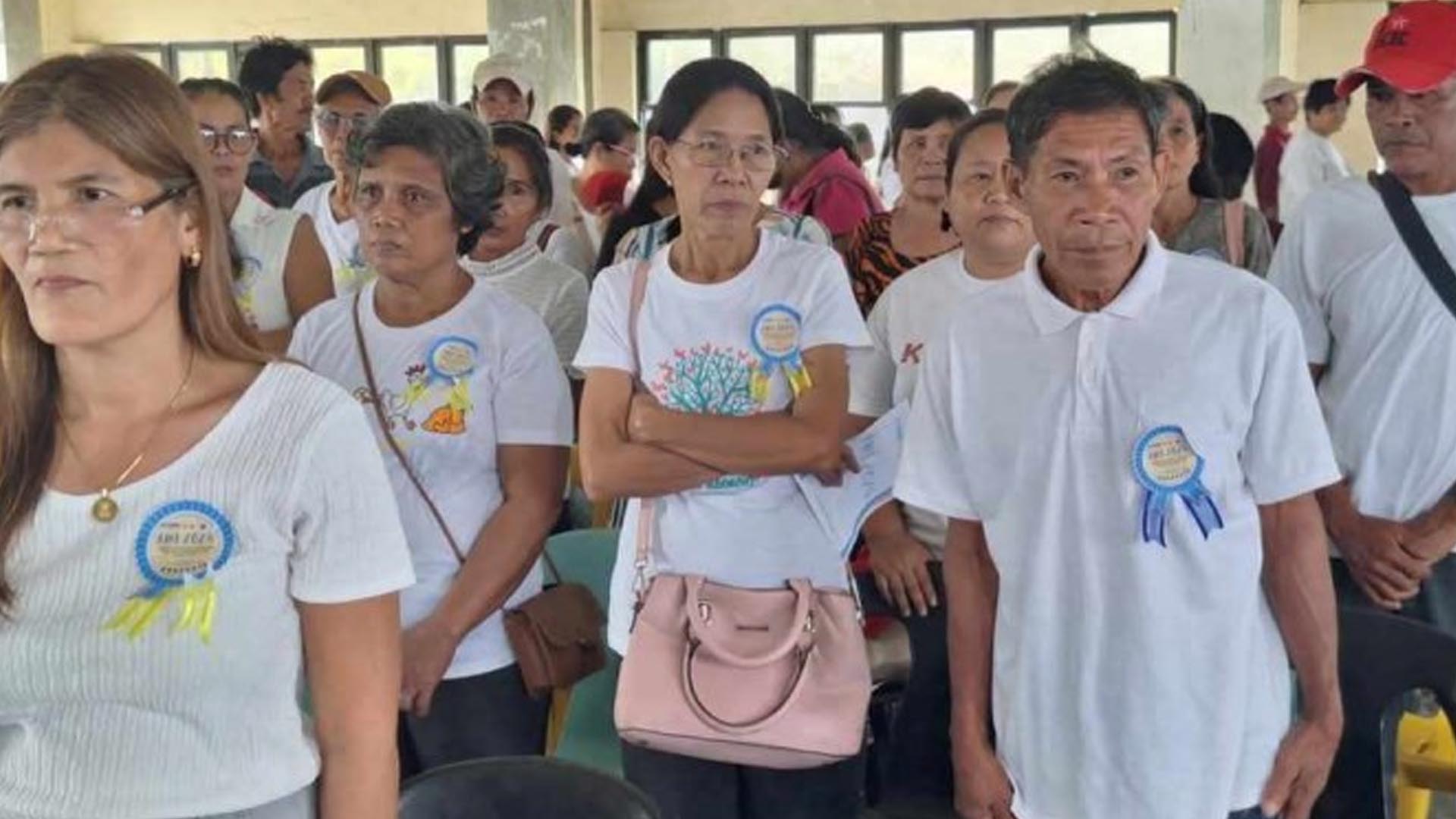






Over 4,200 beneficiaries of the government’s Pantawid Pamilyang Pilipino Program (4Ps) have been turned over to local government units (LGUs).
Jeffrey Gabucay, 4Ps Antique provincial link, said the 4,226 graduates are from 18 LGUs and have been assessed as ready to exit the program being implemented by the Department of Social Welfare and Development.
“Of the 4,226 household beneficiaries, 4,202 [were] assessed as already self-sufficient while 24 have no more children for monitoring,” Gabucay said.
“We have to turn over the 4Ps beneficiaries to their LGUs so that they could avail of the aftercare program to ensure that they won’t backslide from their present status,” he added.
The aftercare program will provide the 4Ps graduates with needed assistance such as livelihood or skills training.
Gabucay said the 4,202 were assessed using the Social Welfare and Development Indicators, the management tool used for assessing the well-being of the beneficiaries.
Gabucay explained that the economic status of the household beneficiaries is not the only gauge for self-sufficiency but also their social adequacy or whether they have acquired skills that could provide them with income.
“Household beneficiaries also have the support of their relatives contributing to their self-sufficiency,” he said.
Household beneficiaries excluded no longer have children aged zero to 18 years old who are receiving cash grants for their health, nutrition and educational needs, Gabucay said.
An additional 19,586 household beneficiaries are set to graduate from the program soon. (PNA)


