









The Philippine Council for Industry, Energy and Emerging Technology Research and Development (PCIEERD) is allocating PHP2.78 million to explore protein-rich foods that can be developed from local food processing wastes and underutilized legumes, an executive said on Monday.
The project, led by Lourdes Montevirgen of the Department of Science and Technology – Industrial Technology Development Institute (DOST-ITDI), is currently exploring various methods to produce protein concentrate from industrial-scale processing by-products like meal cake (e.g. pressed coconut meat after VCO extraction) and bran.
For the local legumes, DOST Secretary Fortunato de la Peña said the team will study specific unconventional sources, such as wastes from rice bran and VCO (virgin coconut oil) processing.
The researchers will develop the pre-treatment, extraction, and recovery methods of protein and evaluate its food product applications, and will craft the pilot-scale production of protein concentrates, he added.
“Adding value to existing production wastes in the Philippines, this project opens the possibility of the creation of new product variants such as beverages, meat analogue, and high-protein supplements,” he in a Viber message.
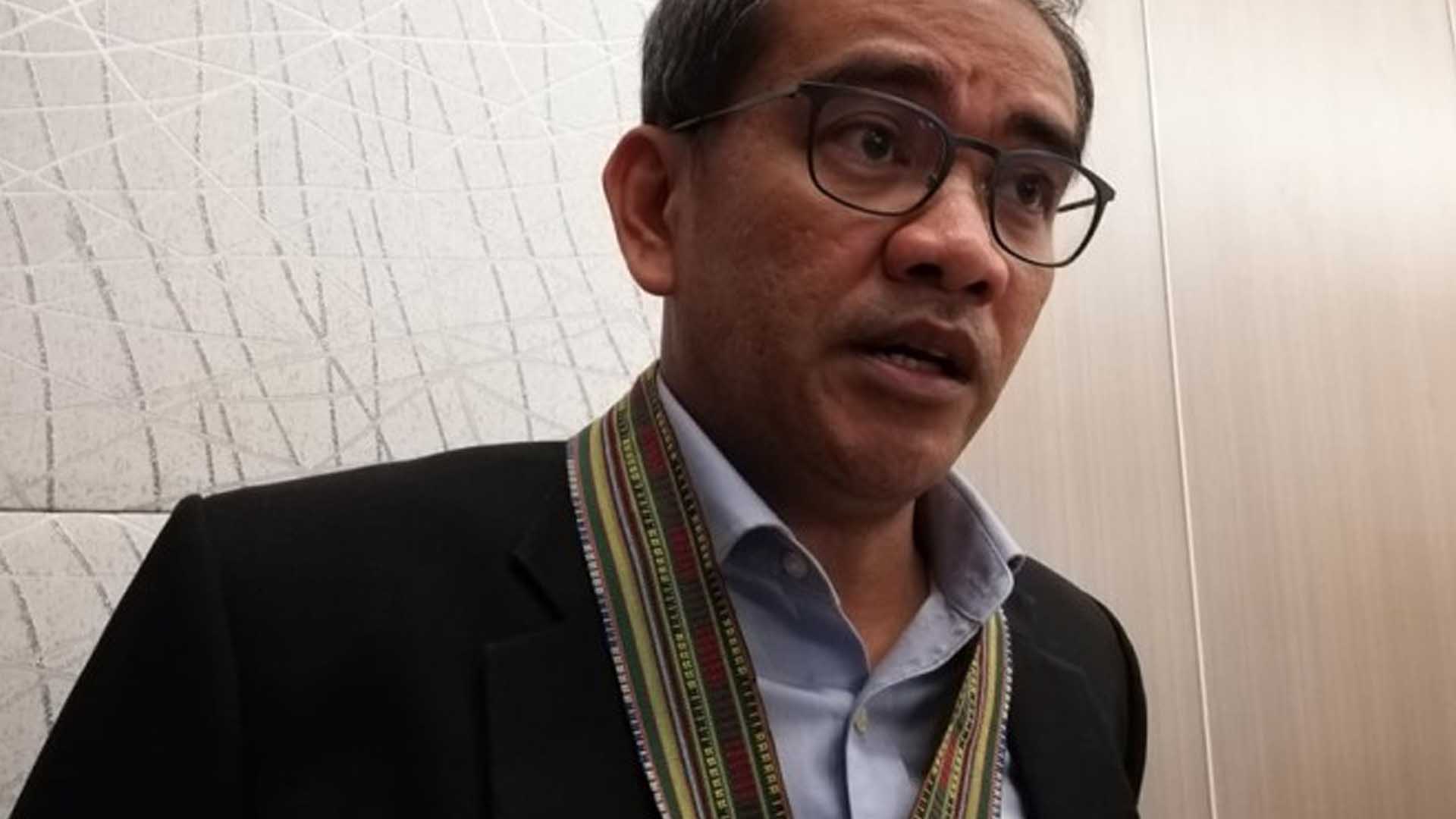
PCIEERD executive director Enrico Paringit told the Philippine News Agency that unconventional sources include pressed coconut meal for the by-products, and cowpea and pigeon pea for the local sources.
“We usually think of soy when we hear about protein replacement, but there could be (other) local sources,” Paringit said.
Meanwhile, de la Peña said the team already started preliminary experiments on raw materials bought from public markets and will soon start with the initial test runs for protein extraction and analysis.
The researchers also consulted with the Institute of Plant Breeding (IPB) of the University of the Philippines Los Baños (UPLB) and the Bureau of Plant Industry in Pangasinan for the available varieties and local suppliers of legumes in the country, he added.
“The team is looking forward to strengthening the Philippines’ food industries. The project is essential and timely as Filipinos continue to look for healthier, more affordable food alternatives,” de la Peña said. (PNA)


